
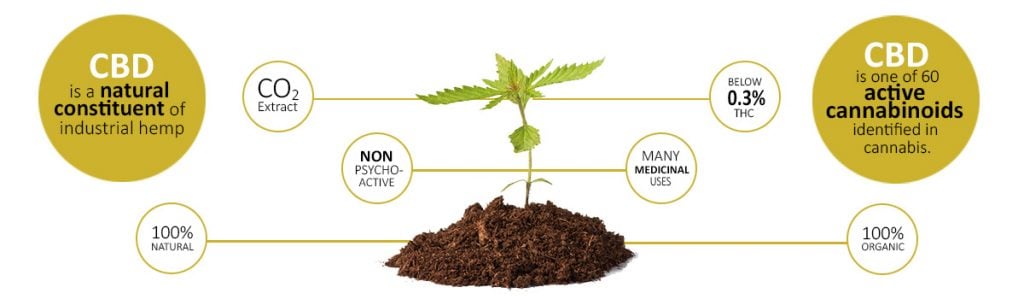
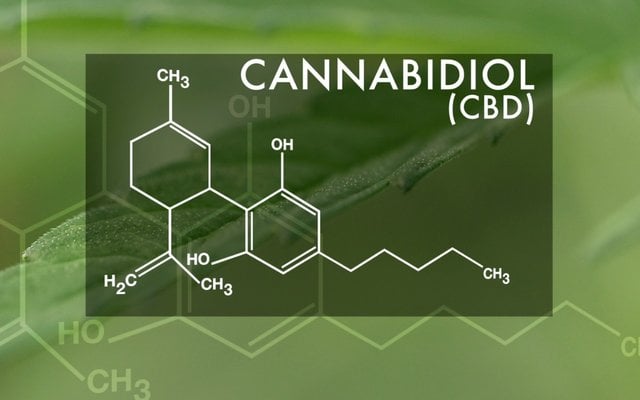
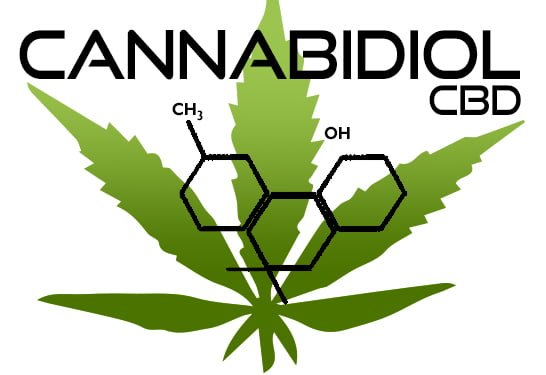
CBD oil is an extract derived from cannabis containing a cannabinoid known as “cannabidiol.”
More than 85 different cannabinoids have been discovered in cannabis, but CBD is one of the most beneficial.
CBD it is not a typical medical marijuana product. Most medical marijuana products contain high concentrations of another cannabinoid called THC, which stands for “tetrahydrocannabinol.” THC is the psychoactive substance in cannabis which produces a high.
CBD oil on the other hand is derived from hemp (it can also be derived from marijuana). There is THC in hemp, but it is present only in trace amounts and should be less that 0.03 percentage wise. This means that it has no psychoactive effect. What it does however have is a remarkable painkilling effect.
Indeed, CBD oil is one of the most potent natural painkillers on the market right now, and can be used to treat numerous different conditions. Its increasing availability means that it is now easier than ever to find a high-quality CBD oil product and have it delivered right to your door. Hopefully, it may help end the opioid epidemic.
You can watch big pharma panic right now as they do everything in their power (lobbyists, disinformation, etc..) to try and prevent the full legalization of CBD. There is a reason for that reaction- they know that CBD can wipe out their profits in the opioid industry. May special attention to the 2018 Farm Bill, which would legalize hemp based CBD products in the US.
If you’re trying to relieve pain, for example, but still need to function at work, an extract with high CBD level would be beneficial.
And, there are several different ways you can use CBD as a way to improve your health and / or manage symptoms of chronic illnesses.
How Does CBD Work?
With the medical use of marijuana finally starting to gain traction and come into the mainstream throughout the US, other cannabis-based products such as CBD oil are at last beginning to come into popular use.
If you are new to CBD for pain and inflammation relief, you probably have quite a few questions. What are the main benefits of CBD oil? How does CBD oil work? What are its effects? And how do you go about purchasing the highest quality CBD oil on the market?
We are going to address all of these questions and concerns in-depth. By the time you have read our 101 guide, you will be a CBD oil expert, ready to go out and make your first purchase for fast and natural pain relief.
Why Should You Use CBD Supplements?
Why try CBD supplements instead of sticking with the painkiller you are using right now?
Well, here are a few reasons:
- CBD is natural, safe, and side effect-free for most users. A few users do report minor side-effects such as drowsiness or reduced blood pressure, but most users report only a reduction in inflammation and pain.
- For many users, the pain relief from CBD oil is so powerful that it is possible to get off of medication. That means getting away from nasty side effects and health risks. NSAIDs for example can cause stomach ulcers, heightened blood pressure, and liver or kidney issues. Overuse of such medications may also lead to rebound headaches and other unpleasant symptoms.
- CBD oil is affordable. It may look expensive at first glance, but once you do the math and divide by the doses, you will discover that it is quite reasonable.
- CBD can help with a lot of different conditions—everything from acne to diabetes. This is something we will get into later on in the article. The bottom line is that you may purchase the oil to treat one health issue, and discover that the oil actually ends up clearing up several.
How To Use CBD
The exact dosage of CBD you need depends on the condition you are treating as well as the product you have purchased. WebMD reports that doses as high as 300 mg per day have been safely used for as long as 6 months. Doses ranging from 1,200-1,500 have also been safely used daily for periods of up to 4 weeks. For sprays under the tongue, 2.5 mg daily for as long as 2 weeks has proved to be safe.
As far as side effects go, some people do experience minor adverse effects such as dry mouth, light-headedness, low blood pressure and drowsiness. But these side effects are offset by the massive pain relief which you may experience when you use CBD oil. Many CBD oil users report no side effects whatsoever.
Is there anyone who should avoid using CBD oil?
If you have Parkinson’s disease, it is possible that taking CBD oil could make your tremors worse. There also is not enough data to say yet whether CBD oil is safe while pregnant or breastfeeding, so it should be avoided in those situations.
You have plenty of options now for how you want to take your CBD…
Types of CBD Products
Now that you know the many health advantages of CBD backed by scientific research, it is time to learn about the different types of CBD supplements and CBD oil for sale. Here are the forms of CBD you can purchase:
- CBD Capsules: These are orally ingested. Usually within 30 minutes your body will begin absorbing the compound, allowing for fast relief. Very convenient and one of the best sellers for 1st time users.
- CBD Extract: This is a tincture which you place under your tongue for fast absorption. Usually extracts are more highly concentrated than CBD oil (see below). The added concentration is ideal for those switching from pain medications.
- CBD Oil: This is the form we recommend most highly. CBD oil is normally ingested orally under the tongue. It can also be applied topically, and is absorbed through your skin into your bloodstream, bringing both localized and body-wide relief of pain symptoms.
- CBD Topical: This is a lot like the CBD oil treatment described above, except that it may also contain scents and other additives. Topical treatments may contain moisturizers as well, and may be particularly suitable for skincare. They are applied like salves or balms.
- Juicing Cannabis: A new trend involves making a healthy shake from freshly-juiced cannabis. Other ingredients can be added to mask the taste or boost the nutritional properties of the beverage.
- CBD Edibles: From chocolate to gummy bears to honey stix to chewing gum. This segment of CBD products is expanding rapidly and should have a product that suits any taste.
- Vaping: One more option is to purchase CBD oil and use it in your vaporizer. You can then inhale the vapor and benefit that way. This is a good option if you are looking to relax after a tough day or a quick dose. Vaping has the highest and fastest absorption rate. For more information about CBD vaporizing, visit our recommend vaporizers for medical CBD use: The Volcano Desktop Vaporizer.
You can try CBD in different forms to see what works for you. We recommend CBD oil because you can use it orally, topically or with your vaporizer. You can tackle localized pain very effectively through the topical applications.
How Does CBD Oil Fight Pain and Promote Overall Health?
Now that you know what CBD oil is (and isn’t), you probably are wondering how it works.
What makes this oil such an effective pain remedy?
Your body contains a group of endogenous cannabinoid receptors in your brain and peripheral nervous system known as the “endocannabinoid system,” or “ECS” for short. Your ECS has a role in regulating a number of different physiological functions, including pain, appetite, sleep, mood, and memory. It is actually thought that it plays a role in the phenomenon of “runner’s high.”
Fascinatingly enough, your body actually manufactures cannabinoids on its own, called Anandamide and 2-AG. These cannabinoids have anti-inflammatory properties, much like CBD. As such, they help to regulate your body in important ways. Without the ECS, your nervous system would not be able to mediate the effects of your environment, and you would suffer from problems with quite a few basic daily functions.
In short, your body was made to work with cannabinoids! Even though scientists have known about this for decades, a lot of lay people have no idea that this is true (something we can likely blame on the backwards attitudes toward marijuana which have permeated our culture for so many years).
So how does CBD oil act inside your body to reduce inflammation and pain?
CBD does not stimulate the CB1 and CBD 2 receptors, but it does activate others, for example:
- TRPV-1, involved with the mediation of inflammation, pain and body temperature.
- Adenosine receptors, which in turn regulate the release of glutamate and dopamine. These neurotransmitters play a key role in cognition, memory, learning and pain.
- 5-HT1A, which is connected with serotonin. This means that CBD can help fight depression.
While activating these receptors, CBD also inhibits an enzyme called FAAH. FAAH activates your CB1 receptors. When THC activates CB1 receptors, that causes psychoactive effects. So a higher dose of CBD actually helps to mitigate the limited effects of any trace amounts of THC that may be present.
As you might guess, we are really just scratching the surface here. Look up some of these receptors when you get a moment. Their function is complex, but you will see that CBD helps your body out through quite a few channels.
Is CBD Oil Legal?
 Your next concern probably concerns the legality of CBD oil. You may have read or heard that CBD oil is 100% legal nationwide, but unfortunately this is not the full truth.
The snag has to do (in part) with a federal law that stipulates that CBD oil must be extracted from the root, stem or seed of hemp, not from the leaves. The oil in these parts of the plant is more diluted however, so many producers prefer to use the oil from the leaves to achieve maximum potency.
That means that CBD oil may be legal in certain states, but only if it is processed according to federal law (and even this seems to be a matter of debate and uncertainty). Also, bizarrely enough, “hemp oil” has reportedly been legal for ages, but “CBD oil” is not defined identically in legal terms. To add to the confusion, CBD oil may be marketed as hemp oil.
In short, you are looking at a legal gray area. In some states, it is not going to be a big deal at all, while in others, you may need to be more cautious.
How should you deal with the confusion surrounding CBD oil’s legal status? My suggestion is to look up the laws and restrictions which are specific to your state. Use that information to guide your purchase decisions, instead of relying on a blanket interpretation of federal law provided by a manufacturer or CBD oil user.
The good news is that the government has been loosening up its restrictions on marijuana use over recent years, and that means that these muddy legal waters should hopefully clear up in favor of CBD oil over the coming years.
Until then, look up your state laws, use common sense, and focus on shopping for high-quality CBD supplements. If you purchase from a legit company, they will be able to advise you specifically on your states regulations.
There are sound and proven medical benefits to this compound, and more states are passing legislation allowing for the legal use of CBD.
Will You Get High From Using CBD Oil?
By now, you probably know the answer to this question, but let me state it again here in plain and simple terms: No, you will not get high from using CBD oil.
There are two basic reasons for this, as discussed:
- CBD oil contains high amounts of CBD, but only trace amounts of THC. It is THC, not CBD, that produces a high. There simply isn’t enough THC in CBD oil to get you high.
- The inhibitory effect of CBD on the FAAH enzyme helps to mitigate any effects that the minute amounts of THC in CBD oil might possibly have.
That means you can use CBD oil without any mind-altering effects—except perhaps a reduction in your depression or anxiety. One caveat to this, make sure you a using a high quality product from a reputable brand.
Cannabidiol Benefits
Now, as promised, let’s take a closer look at the many benefits of CBD oil for health!
- Treat pain from many sources.
One of the most amazing properties of CBD oil is its ability to counteract inflammation and pain—for example, myofascial pain, neck pain, back pain, or pain from surgery or trauma (1). Fibromayalgia patients have seen marked improvement in pain symptoms (8). CBD oil may also reduce the inflammation and pain associated with arthritis (3).
CBD oil’s pain-fighting properties are so powerful that it has even been used as an effective pain remedy for advanced stage cancer patients who cannot experience the full relief they need from strong opioids (2). Imagine being able to benefit from that kind of pain relief when you need it!
- Restore balance to mood.
The soothing effects of CBD oil on mood may exert effects which are at once antidepressant, antipsychotic, and anticonvulsant (4). This may make it a useful treatment for conditions like depression, anxiety, bipolar, and others.
- Treat epilepsy.
Studies have shown that CBD can help to combat seizures in conditions such as epilepsy (5). Most studies on CBD and seizures at this point have been conducted on children and animals, but there is also anecdotal evidence indicating these same properties may help control seizures in adults.
- Reduce nausea.
Nausea is a symptom of a wide array of health conditions—everything from migraines to IBS. Research indicates that CBD oil can help to suppress nausea (6).
- Clear up acne.
While you are using CBD oil, you may find yourself with a pleasant surprise in the mirror. Researchers have found that CBD oil can treat acne effectively (7) by acting as a sebostatic and anti-inflammatory agent.
- Combat insomnia.
Certain strains of CBD can act as a sedative, and may be helpful in restoring deep and restful sleep for patients who suffer from insomnia (9). Because CBD can treat anxiety as well as insomnia, it may be particularly helpful for PTSD-sufferers who suffer from delayed sleep onset due to PTSD symptoms.
- Prevent diabetes.
In an animal study, it was found that treatment with CBD oil was able to prevent the production of IL-12 by splenocytes (10). This in turn helped to stave off diabetes.
- Slow mad cow disease.
One of the more astonishing studies on CBD (11) found that the compound is able to prevent the accumulation of prions and shield neurons from their toxic effects. Prions are the proteins which are involved with the development of mad cow disease as well as Creutzfeldt-Jakob disease. While the mice in the study only lived for around a week longer, this is promising research.
- Combat multiple sclerosis (MS).
Research into a prescription-only nasal spray called Sativex developed by GW Pharmaceuticals indicates that a cannabis-based product containing THC and CBD can fight the symptoms of MS. But researchers are not sure whether the effects are from THC, CBD or both yet (12).
Research into the health benefits of CBD oil is ongoing, so do not be surprised if more benefits become clear over time. You may even experience a few unexpected benefits for yourself!
In any case, one thing is clear, and that is that CBD oil is a very powerful natural treatment for pain, and its effects on sleep, mood and other aspects of health are extremely beneficial.
CBD Side Effects
 There are no true side effects that have been proven scientifically when using CBD aside from it being “wake promotive.”
This means that people who suffer from insomnia will not like the energetic properties that CBD offers.
A few of the leading manufacturers of CBD oil state the following side effects:
- Mild stomach pain (very rare).
- Sedative effect in high dosages.
- Dysphoria (when taken in 200mg servings or higher).
Throughout all of history, starting from ancient times, there has only been one fatality that has been blamed on CBD. There has also been one major “illness” recorded in all of history that has been attributed to CBD.
The side effects experienced today are only witnessed in very high dosages.
How to Shop for the Best CBD Oil Products
Now you are ready to shop for the best CBD supplements. But how can you be sure you are choosing a product which is safe and effective?
You are right to be cautious—there are a lot of inferior products flooding the market right now since CBD is just starting to really take off. A lot of consumers have not done their research, and scammers are all too willing to take advantage of that fact.
Following are some recommendations to ensure that you are choosing a high-quality product from a legitimate manufacturer:
- Stay away from products that make unrealistic claims.
You know now that there are a lot of health benefits to CBD oil, but that does not mean that it is a cure-all for every condition under the sun. Applying CBD oil is not going to miraculously cure a tumor or another catastrophic disease. After all, if it was a miracle cure for a terrible illness, who wouldn’t be using it?
So if you do encounter a manufacturer which tries to sell you on the idea that CBD oil is going to cure cancer or MS or something else which is unsubstantiated, you really have no way to trust any other claims that producer is making about their product. You should buy from a more transparent vendor.
Also remember that CBD oil is not the same thing as medical marijuana. It has different properties, so if a vendor tries to tell you that they are interchangeable, you should shop somewhere else.
- Prioritize quality over price.
You will see a huge range of prices for CBD oil products online. Some are very cheap, while others are fairly expensive—though if you divide by dosages, you will probably discover that even the more “expensive” oils are cost-effective over the long term.
In any case, it is always smarter to invest more and buy a high-quality product than it is to just go with the cheapest offer out there. You will end up with a higher concentration of CBD, and that means more potency. Cheap products also may not be subjected to rigorous quality control procedures, and may suffer in other regards.
- Watch out for products that still contain significant amounts of THC.
Finally, be aware that there are some hemp-based products out there which do contain significant amounts of THC, and which may produce a high. You will not have this problem with a quality CBD product which has been properly processed to remove the THC.
So always check to make sure that the product you are thinking of purchasing has no psychoactive properties. If you can, try to learn about the manufacturing process and the percentages and types of cannabinoids present.
What CBD Companies Do We Recommend?
This is something that is growing more and more serious as the year progresses. We have seen an alarming number of fly by night companies jumping on the bandwagon and pushing CBD lines. A large number of these have the identical looking website and simply swap out the name of the item. They also have asked us to promote them and advertise directly on CbdAlliance.org.
Thankfully, we declined that offer and only recommend brands that we have tested out ourselves.
Our favorite source for oil is CBDPure.com.
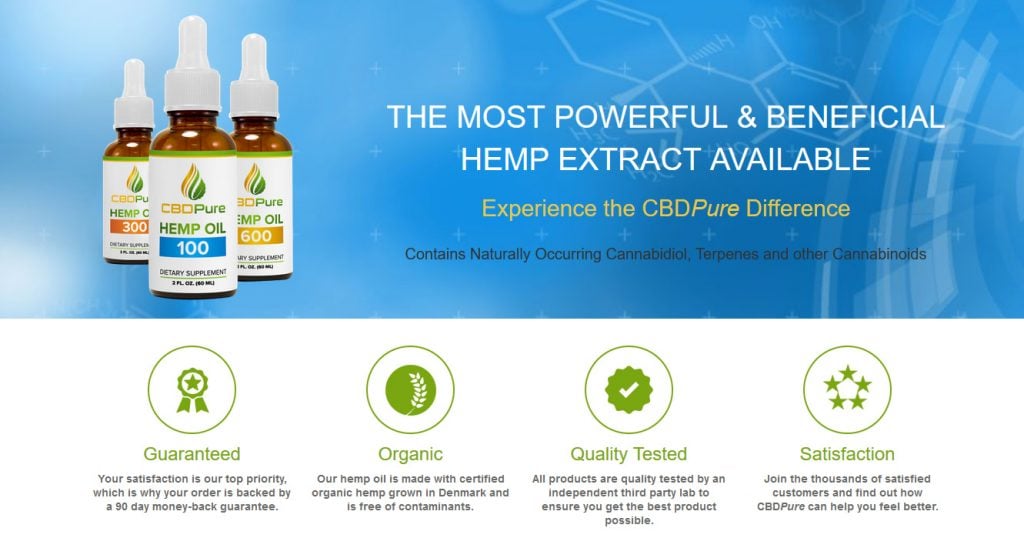
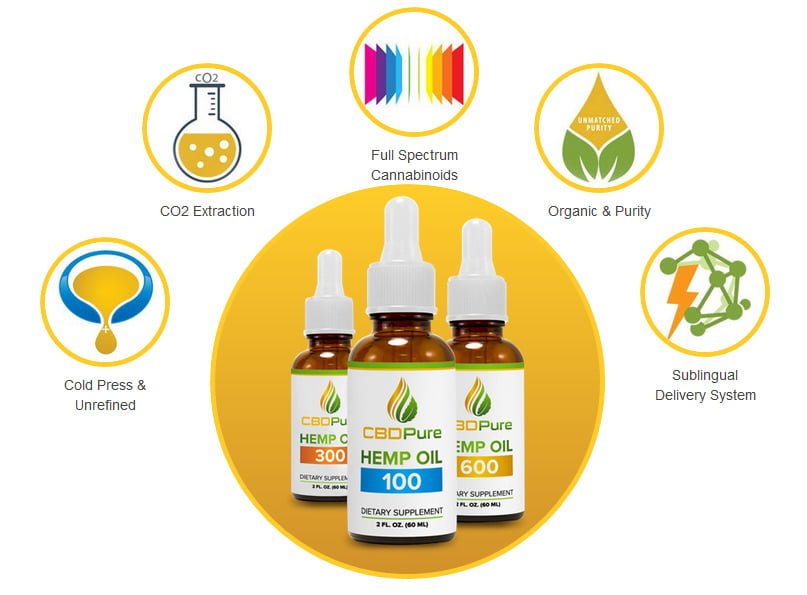 They offer a completely organic hemp oil extract made from cannabis grown in Denmark. They are no frills and don’t have a lot of different product lines. In fact, they focus on oil and capsules forms only.
CBDPure is third party tested for Cannabinoid Profiling, Residual Solvent Testing, Pesticide Testing, Microbiological Screening and Terpene Analysis to ensure quality and purity. The oil contains less than .03% THC, meeting legal requirements for consumption.
CBDPure backs its products with a 90-day refund guarantee, so you can try it risk-free.
Ready to experience the fast-acting, powerful natural pain relief of CBD oil?
Click below to purchase CBDPure Hemp Oil, and get high-quality CBD oil delivered right to your door!
Our favorite source for CBD Edibles is Diamond Hemp.
 The Diamond CBD line is widely regarded for their different flavors of edible product. Once we tasted their Honey CBD Sticks we were hooked and they are now a part of our daily routine in a morning Yerba Mate tea.
Sources:
- http://www.sciencedirect.com/science/article/pii/S0304395902004001
- http://www.sciencedirect.com/science/article/pii/S0885392409007878
- http://www.pnas.org/content/97/17/9561.short
- http://journals.sagepub.com/doi/abs/10.1177/0269881105051541
- http://www.sciencedirect.com/science/article/pii/S1059131116000054
- http://journals.lww.com/neuroreport/Abstract/2002/04160/Cannabidiol,_a_non_psychoactive_component_of.6.aspx
- http://www.jci.org/articles/view/64628
- https://www.ncbi.nlm.nih.gov/pubmed/21533029
- https://www.ncbi.nlm.nih.gov/pmc/articles/PMC5101100/
- http://hightimes.com/culture/10-little-known-uses-for-cbd/
- https://www.ncbi.nlm.nih.gov/pubmed/18338806
- http://www.webmd.com/vitamins-supplements/ingredientmono-1439-cannabidiol.aspx?activeingredientid=1439&activeingredientname=cannabidiol